Choosing the Right Oak Spindles for Your Flight
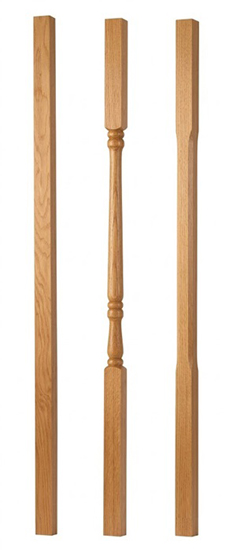
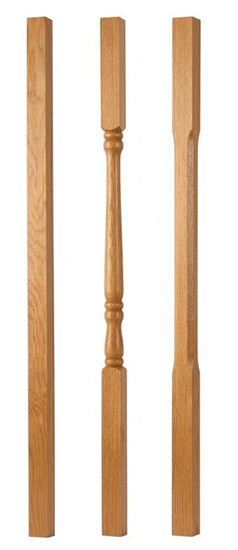
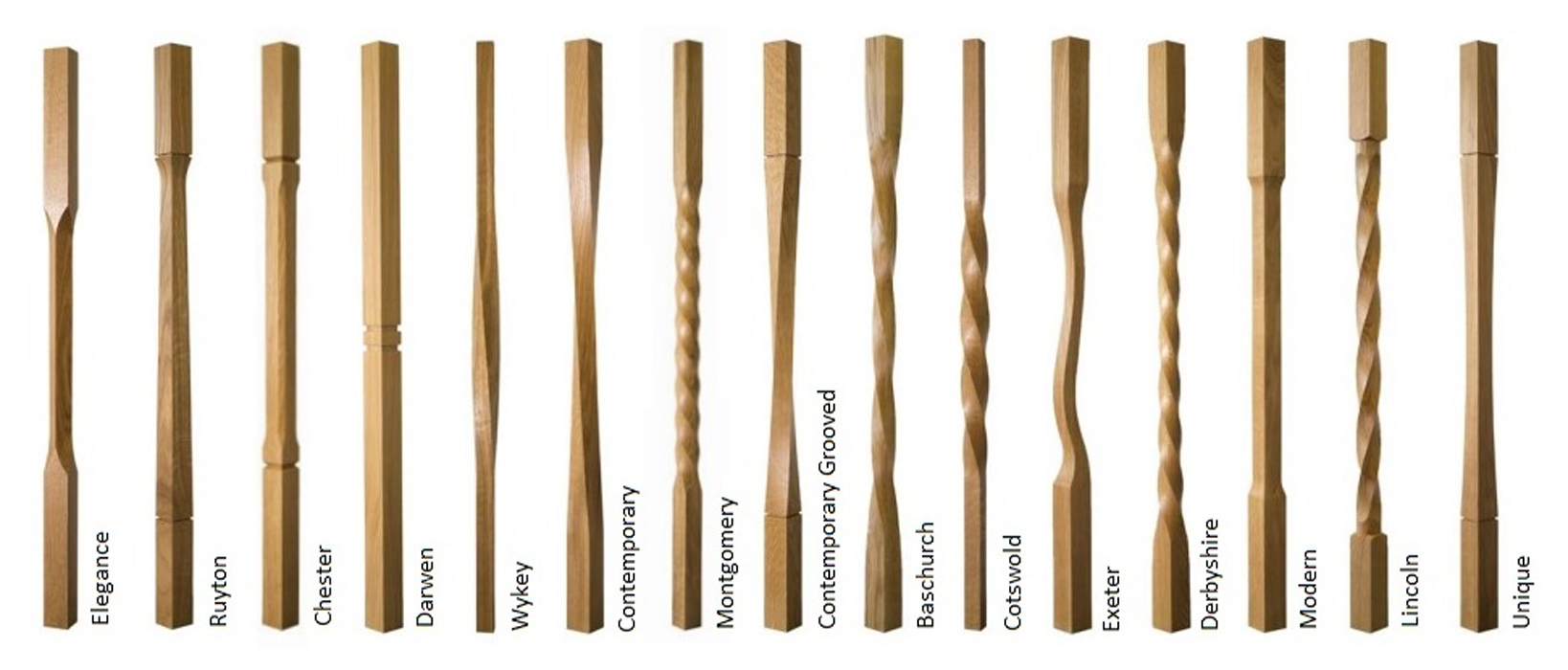
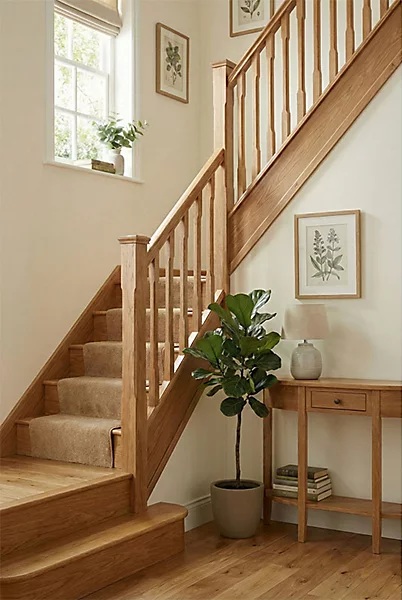
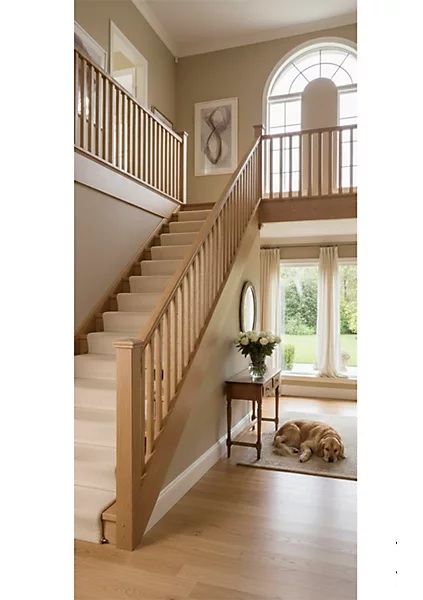
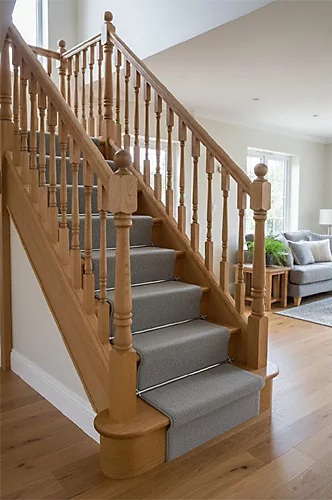
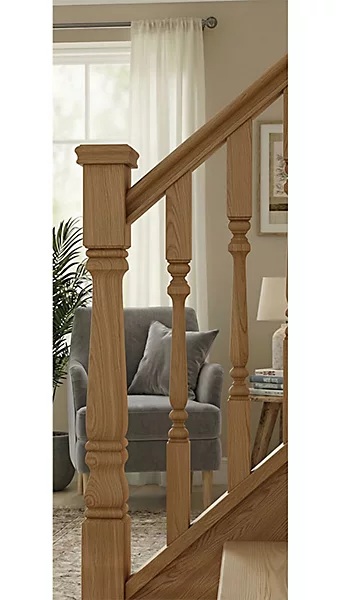
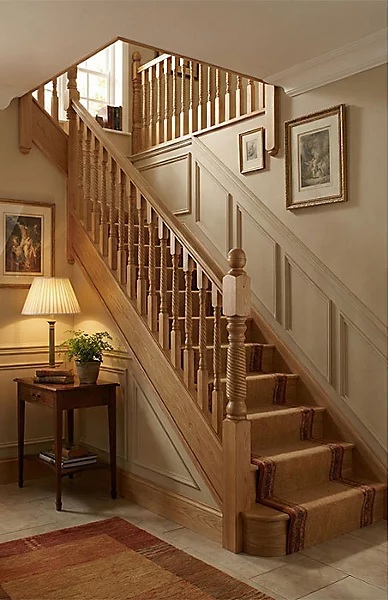
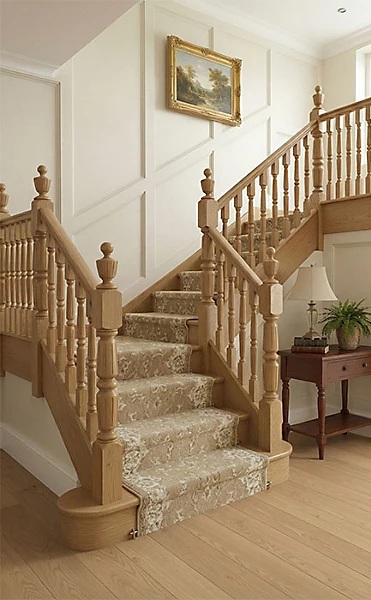
Spindles (also known as balusters) bridge the vertical gap between your baserail and handrail. Not only do they dictate the overarching stylistic identity of your hallway, but they also serve a critical safety function by enclosing the open staircase run.
1. Understanding Spindle Thicknesses
Achieving structural harmony requires matching your spindle thickness directly to the ploughed slot width of your handrails and baserails. We manufacture solid oak spindles across four standard industry dimensions:
- 32mm & 35mm Spindles: Slender, delicate profiles ideal for narrower traditional staircases or loft conversions where maximizing physical walking space is a priority.
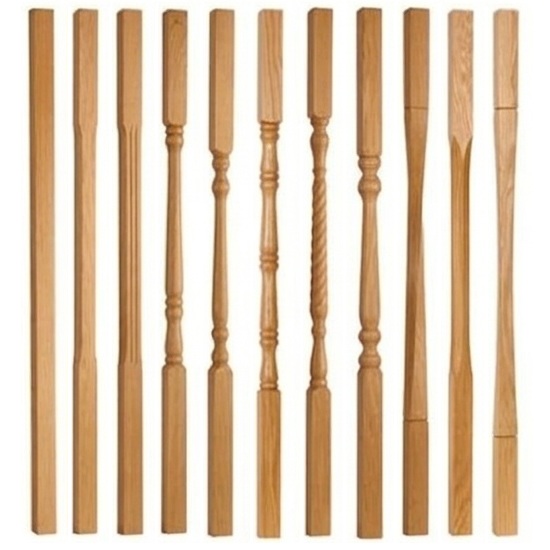
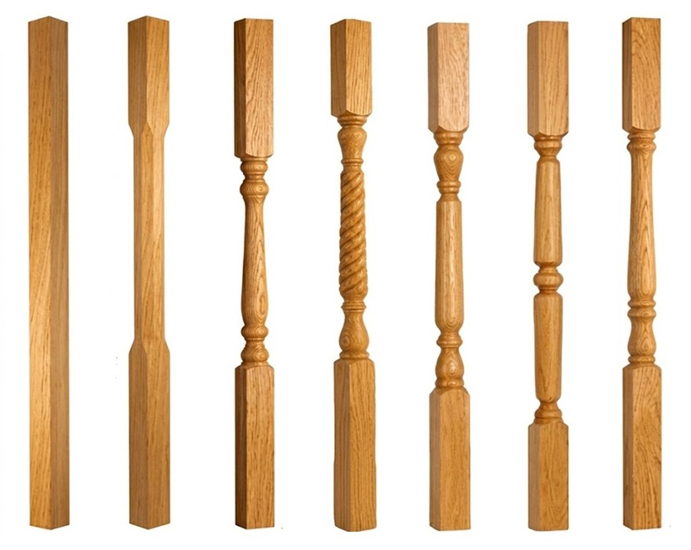
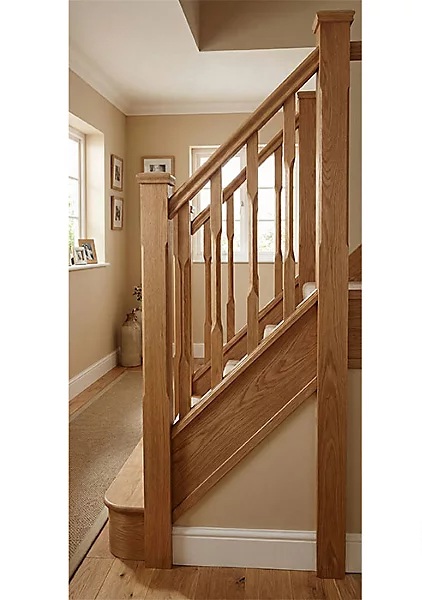
- 41mm Spindles: The UK modern standard. Offering the widest array of turning styles—from classic Edwardian twists to clean stop-chamfers—suitable for standard residential layouts.
- 55mm Spindles: Substantial, grand balusters designed for large statement staircases, wide heritage entryways, and commercial renovations requiring maximum structural presence.
2. Building Regulations & Spindle Spacing
To comply with UK Building Regulations (Approved Document K), spindles must be installed closely enough that a 100mm sphere cannot pass through any gap between them. When specifying quantities for your rake stringer or level landing run, a standard rule of thumb is to calculate two spindles per stair step.