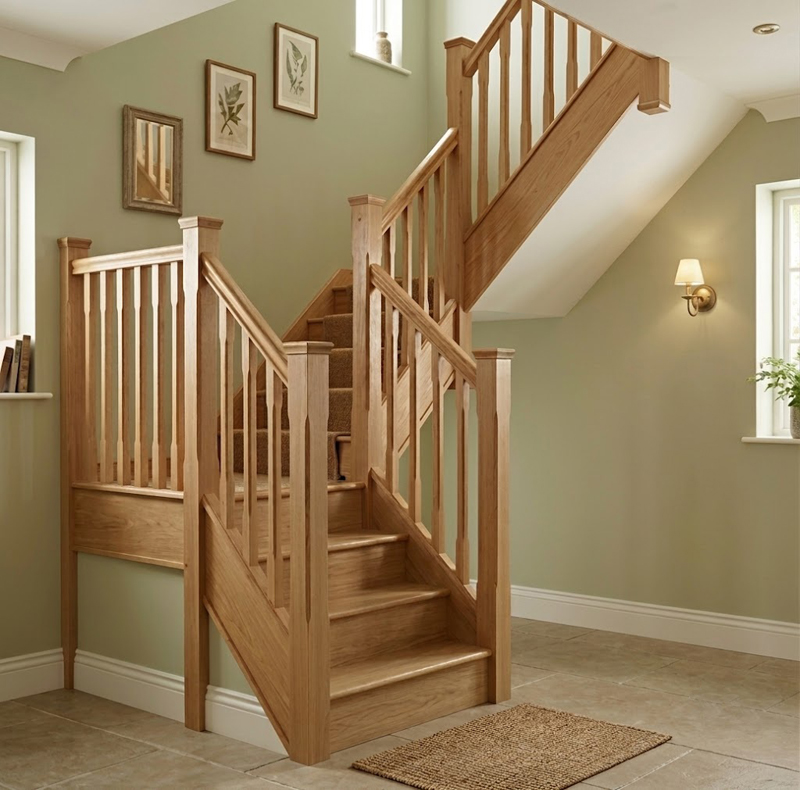
Specifying Your Baserail System
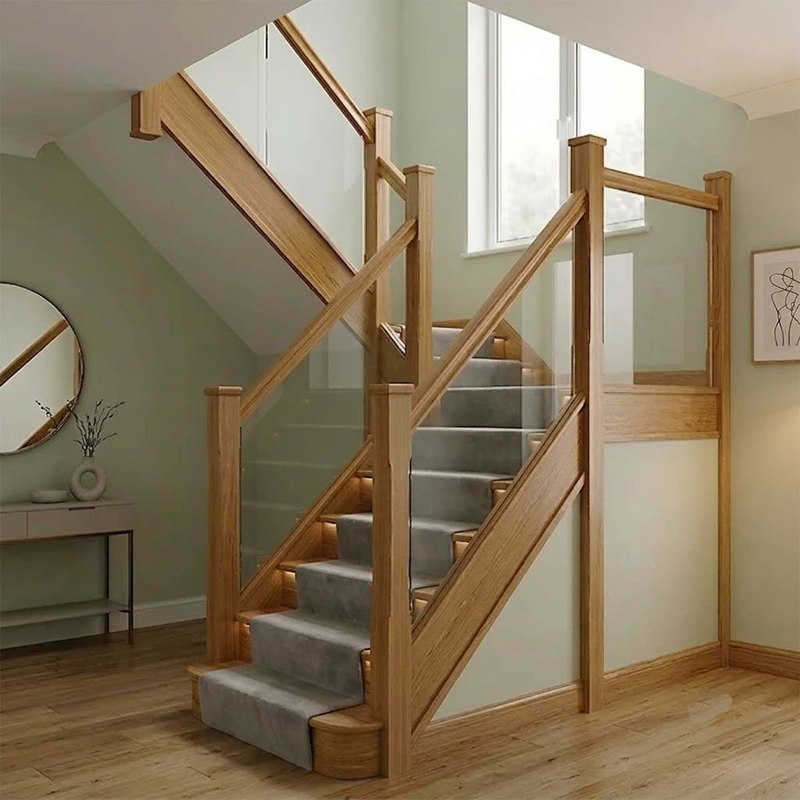
Running parallel to your handrail along the stair stringer or landing floor, the baserail anchors the bottom of your spindles, metal balusters, or glass panels. Selecting the correct tracking profile ensures a rock-solid balustrade free of lateral rattle.
1. Slotted vs. Ungrooved (Solid) Baserails
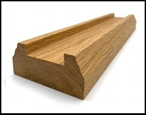
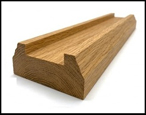
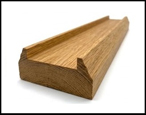
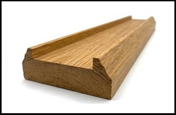
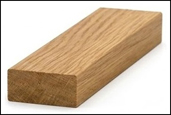
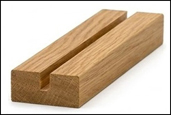
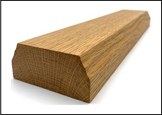
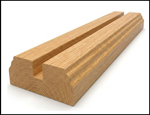
Slotted Baserails feature a pre-ploughed central channel designed to house your balustrade infill. Once your spindles or glass panels are placed inside the slot, our precision Oak Fillet Infill Strips are cut to size and tapped into the leftover track between each spindle to lock the system solid. Ungrooved Baserails feature a completely solid, flat top surface—ideal for surface-mounted glass clamps, screw-down metal baluster shoes, or bespoke site-routed layouts.
2. TB (Traditional Bead) vs. Modern Profiles
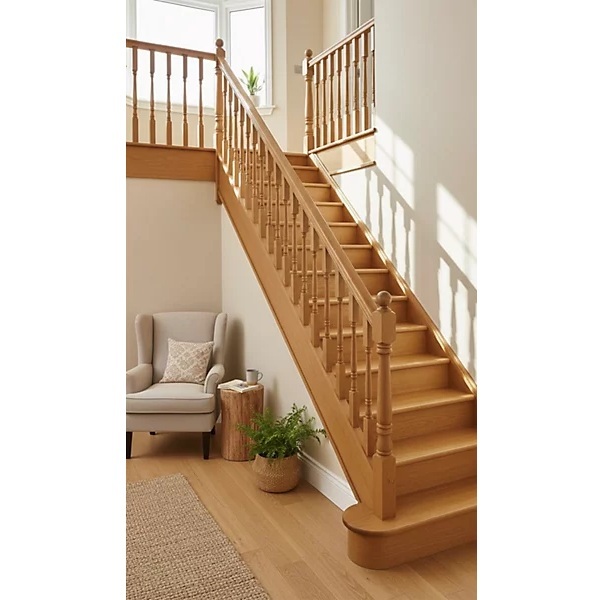
Our classic TB Baserails feature subtle, soft moulded edge-beading that pairs effortlessly with turned period spindles and Georgian interiors. Conversely, our Modern Baserail range strips away the side-moulding in favor of crisp, sheer vertical drop-sides, creating a minimalist, architectural profile favored in contemporary open-plan renovations.


.jpg)